Toll Free: 877-222-1707
Local: 602-424-0914

Information Architecture

Every click, every navigation label, every graphic, and every word must be purposely designed to easily guide the user to the sale.

Information Architecture
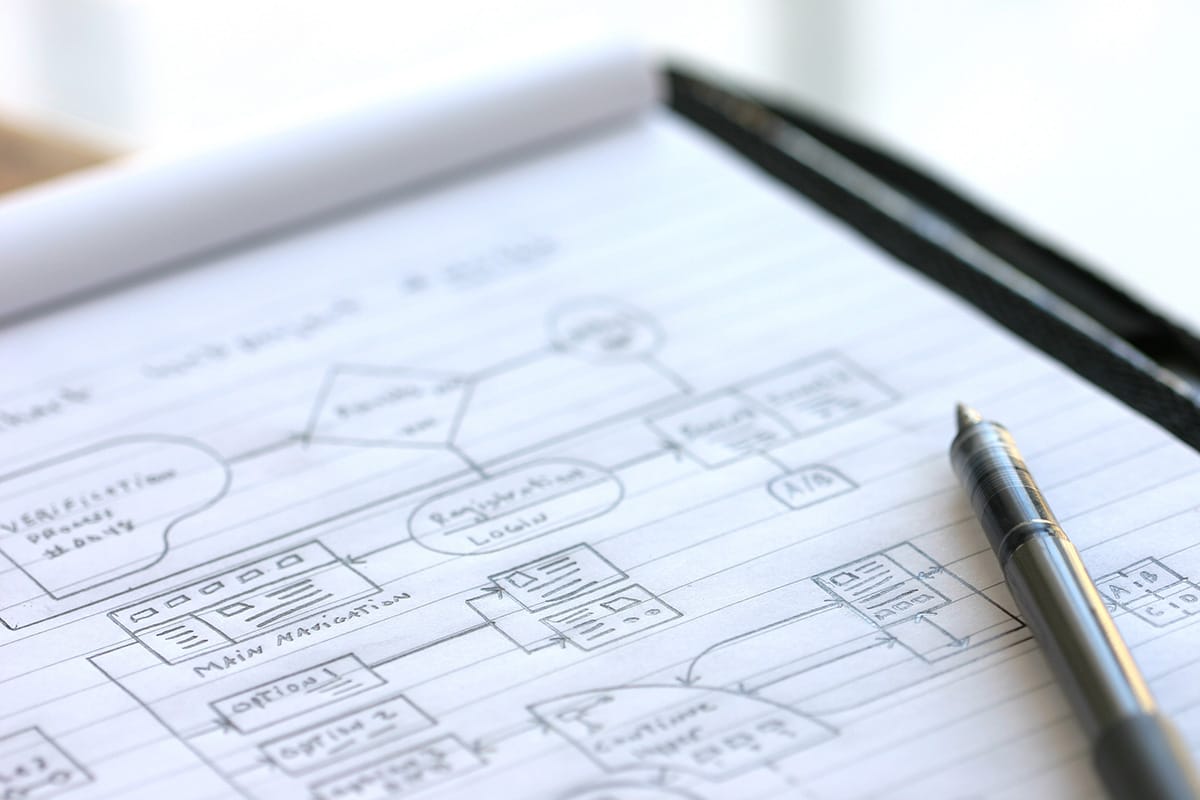
Every construction project starts with a blueprint — every successful project, that is.  And that goes for a website or a complete enterprise content management system, too.  The blueprint is known as Information Architecture.

Despite its buzzword status, Information Architecture continues to be an essential component of the website development process because it addresses everything from the website's purpose, audience, and strategy to the design of its navigation systems, page layouts, and content organization.

As you can imagine, there are numerous benefits of a properly designed and implemented Information Architecture, including:
 
  • Save time finding and managing information
  • Save money developing your website the right way the first time
  • Save time and money expanding your website

Information Architecture builds the foundation that will enable your company to easily and seamlessly expand the scope of your website when you choose to do so.  For example, you may decide to transform your informational corporate website into an e-commerce website to take advantage of the growing online market or you may want to add a blog to increase user interaction and retention.

Although Information Architecture is hardly a linear process, and there are several points when it overlaps other areas of the website development process, there are essentially three phases of the process:
  1. Research and Strategy
  2. Design
  3. Testing & Optimization
Getting to Know Your Business
Every company is different, but our approach to researching and understanding each company is always the same.

The process starts with a visit to your main office where we conduct interviews with stakeholders, especially the people on the ground level who will take part in using the system once it is launched.  These interviews give us insight into your company's goals, the content that needs to be structured, organized, and managed, and the existing technologies and processes being implemented.

Our approach to understanding your business also includes identifying and analyzing your competitors, particularly the value of their websites in regard to traffic and search engine performance.  What we learn from their success or mistakes will assist us in building a winning strategy for your website.

Analyzing Your Content
Content is our next focus because it is the matter that needs to be structured, organized and managed.  In our experience, content is everywhere and it is found in nearly every form imaginable:
  • Existing web pages
  • Brochures
  • Presentation slides
  • Product catalogs
  • Electronic files, such as emails and videos
We collect and analyze all of your content and construct content maps, which are diagrams that help us understand the scope of your existing content.  This is useful for seeing the bigger picture and determining how the content should be organized, including new and future content.

Getting to Know Your Customers and Other Users
Finally, in the research phase our goal is to understand the users of the system.  An enterprise system's users might be your employees, while your website's users are your customers and prospects.  In either case our goal is to determine who they are, what they need, and how they will articulate those needs.

There are many ways to capture this information about your customers, such as focus groups and studies of demographics.  As marketers have learned since the advent of marketing, getting inside the heads of your customers is the best way to get their attention, earn their trust, and win their business.

Developing Personas & Scenarios to Get Inside Your Customers' Heads
We develop personas, or characters that represent the ideal customers that you are targeting.  Each persona has a name, background information including his or her level of experience with technology, and a specific need that your website must address, such as buying a product or making a payment online.  The decision process that a persona experiences is called a scenario, which are short stories that describe how the user successfully uses your system.

Personas and scenarios light up the darkness.  They allow us to anticipate the user's actions from the moment he or she enters keywords into a search engine (see search engine optimization) to the point when they purchase an item in their shopping cart and even during the retention phase.  Personas and scenarios enable us to:
  • Create and organize content that the customer needs
  • Label content using words and phrases that your customers would use
  • Optimize your search system to help your customers find what they are looking for quickly and easily
Developing the Strategy
Once we understand your company, your goals, and your customers, we begin constructing an Information Architecture strategy for your website.

The strategy covers proposals for the development, including navigation design and content organization, as well as the maintenance of the system.  Every conclusion is supported and each proposed component references the research collected earlier in the process.

When brainstorming strategies for websites, we refer to web patterns, which are established solutions that allow the user to navigate and search your website fluently without thinking about it.

Examples of these patterns include:
  • Conventional navigation labels (e.g., “Home,” “About Us,” etc.)
  • Breadcrumb navigation that tell the users where they’ve been in your website
  • Top and left column navigation menus
  • The terms “Shopping Cart,” “Checkout,” “Login,” “Sign Up,” etc

Next Phase: Design
Contact us to schedule a consultation
Fill out the form below and a representative will be in touch with you as soon as possible.

Fields marked with an asterisk (*) are required.
Name*
Phone (We do not submit proposals by email.)*
Email*
What will be the purpose of your new website? (Select any that apply)


Do you currently have a website?


If yes, can you make updates to your website yourself?


What is your current website address?
What solutions are you interested in?


Additional Information:
How did you hear about us?
Type the text that you see in the image below:

Can't read the image?
Refresh Captcha

How to get started
The first step is to schedule a consultation to introduce ourselves and understand your specific needs and goals.  Please fill out the form to the left to initiate a consultation.

To schedule a consultation over the phone please call us at 877-222-1707.

Learn more about us
Contact Us

Join Our Mailing List

Enter your email below to start receiving useful information about website design, the latest business software, and more.